
Dedicated Precision Facility
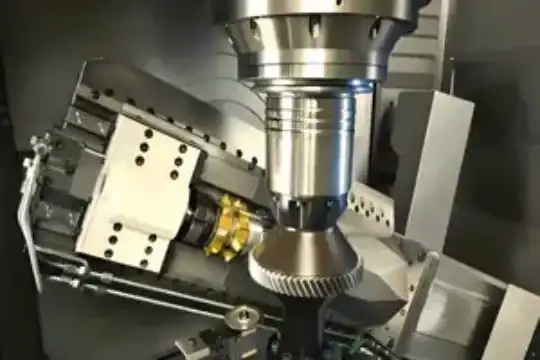
Advanced grinding, inspection, and process control for DIN AA/AAA gear tooling.
Application solution
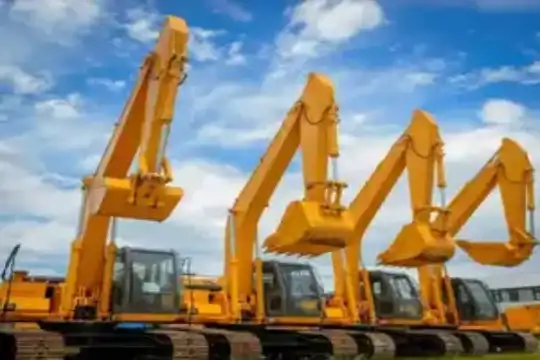
Whether for high-volume OEM tractor lines or flexible aftermarket repairs, Nobeve delivers the right tool for the job.
Nobeve Tool
Whether for high-volume OEM tractor lines or flexible aftermarket repairs, Nobeve delivers the right tool for the job.
Our strengths
Advanced grinding, inspection, and process control for DIN AA/AAA gear tooling.

Reliable replacement strategies that reduce cost per part without giving up precision.

Responsive planning for standard tools, custom projects, and urgent production needs.

Application guidance for cutting parameters, tool selection, and troubleshooting.
Technical focus
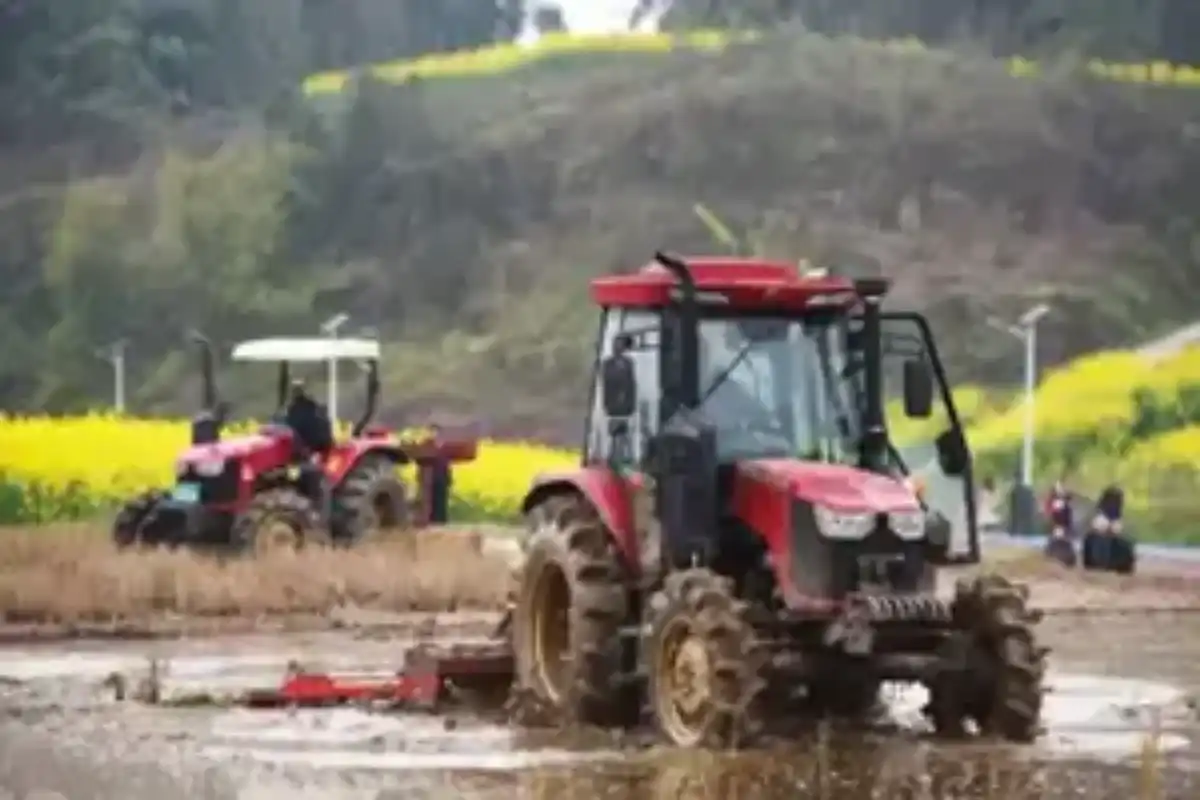
Whether for high-volume OEM tractor lines or flexible aftermarket repairs, Nobeve delivers the right tool for the job.
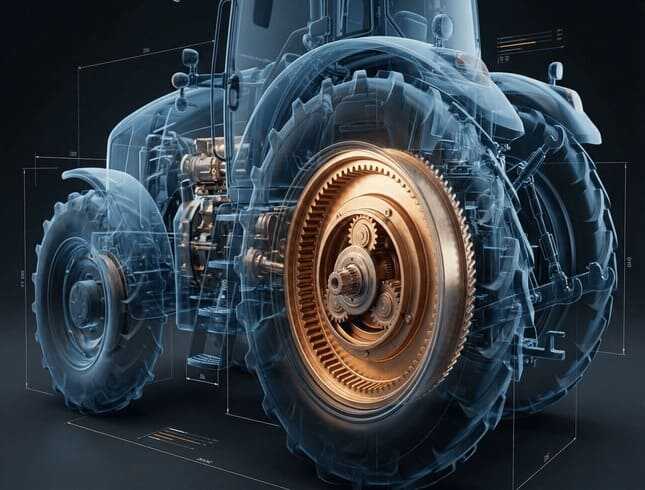
Agricultural machinery operates as a sophisticated power distribution network, where gears convert engine output into torque for heavy-duty tasks.
PowerShift and CVT gearboxes require dense arrangements of helical and spur gears to efficiently regulate the critical balance between speed and torque. Critical part: Input shafts, Cluster gears.
PTO systems drive external implements like balers, utilizing core splines designed to withstand immense instantaneous shock loads during field operation. Critical part: Spline shafts, PTO drive gears.
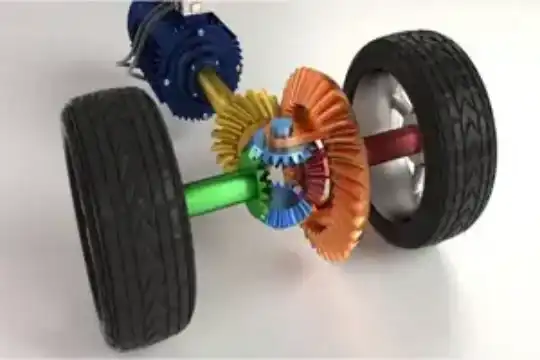
To drive massive wheels, planetary gear sets are employed for speed reduction, with internal ring gears bearing the drivetrain's highest torque loads. Critical part: Ring gears, Sun gears, Planetary carriers.
Expert Technical FAQ
High-speed transport (50km/h+) makes gear noise a critical issue. The root cause is often “waviness” on the gear flank. Nobeve recommends upgrading to our K – Series (Class AAA) hobs. By using ultra-fine 0.2µm carbide and strictly controlling the Adjacent Pitch Error (fp), we reduce the micro-waviness on the tooth surface, significantly lowering the NVH (Noise, Vibration, Harshness) levels at the source.
Absolutely. This is a common failure point. If the grinding wheel hits the tooth root fillet, it creates stress risers leading to fatigue failure. Nobeve uses Protuberance Design on our K-Series hobs. We calculate the exact undercut amount based on your grinding stock (e.g., 0.15mm) so the grinding wheel only touches the active flank, leaving the strengthened root fillet untouched.
These are two distinct processes: Honing is a subsequent step performed after Skiving, used for final finishing.. Hard Power Skivingwith our W-Series Carbide Cutters actively removes material to “fix” the geometry (Pitch/Runout) of the distorted HRC 50 ring gear.
Vibration in PTO shafts is often caused by Inaccurate Tooth Geometry (profile error) leading to poor fitment. A standard “off-the-shelf” cutter might not match the specific ISO/SAE spline standard perfectly. Nobeve manufactures Custom Profile Hobs that are ground to the exact tolerance of your spline standard (e.g., DIN 5480), ensuring a tight, vibration-free fit.
Forged blanks often have a hard, uneven “skin” or scale. For this “Interrupted Cut” condition, standard carbide is too brittle. If you have a rigid CNC: Use our K-Series with Altensa Coating before heat treating, if after heat treating,we will recommend G-Series. If you have an older machine: We strongly recommend our N – Series (HSS-Co) . Its superior toughness allows it to cut through the forging scale without chipping.
Yes, dry cutting is the standard for modern Ag-gear production. Our K-Series is specifically engineered for this with Oerlikon Balzers Alcrona Pro coating. This coating has excellent thermal stability (up to 1100°C) and lubricity, directing the heat into the chips rather than the tool or workpiece, eliminating the need for messy and expensive coolant.
We want you to save money, not waste it. Solid Carbide (K-Series) is extremely hard but brittle. Older manual machines often have spindle runout or vibration. This vibration will cause a carbide hob to shatter instantly. For repair shops with older equipment, our N – Series (High-Speed Steel) is the “forgiving” choice—it bends slightly under vibration instead of breaking, ensuring you get the job done.
Yes. We can integrate Tip Relief (Chamfer) directly into the hob profile. This modification removes the sharp corner at the tip of the gear tooth during the hobbing process. This “Tip Relief” prevents edge chipping when the tractor gear engages under heavy load or shock, significantly extending the transmission's life.
Application areas
Testimonials

J.D.
Production Manager
“Cutting HRC 50 ring gears was a bottleneck for our final drive assembly. We switched from grinding to Nobeve's W-Series Skiving cutters, and the cycle time dropped directly. The tool life on our Gleason 600PS is impressive.”

H.W
Gear Process Engineer
“Our requirement for PTO shafts includes a very specific protuberance profile for subsequent grinding. Nobeve's engineering team simulated the cut perfectly. The K-Series hobs run dry at 280m/min and hold DIN 7 quality consistently over 3,000 parts.”

R.S
Maintenance Workshop Owner
“We repair sugar cane harvesters and often deal with worn-out machines. The expensive carbide hobs kept chipping on our older lathe setups. The N218 Series from Nobeve is much more forgiving and cost-effective for our low-volume repair jobs.”
Get a quote for gear tools now